Archive

Tag Archives: Boomer


WDC5 days after we arrived in Washington DC I boarded a plane that would begin the all-day-long process of returning us to our home in Palm Springs, California. My feet hurt; I don’t mean they ached a little, I mean they really, really hurt along with my hips, legs and lower back. Never in my life did I think I would welcome back-to-back 3 hour long plane flights interrupted by a 4 hour layover but the whirlwind pace of the previous days trying to cram as much of the United States Capital into what proved to be too little time did not provide many opportunities for rest. A full day of forced occupation of an undersized coach seat seemed like a pretty good idea right about the time the pilot kicked our A-320 into takeoff mode.

Pretty much, I’ve always believed its hard work having fun. Our recent trip to Washington DC to visit the United States’ District of Columbia with its iconic buildings, memorials and monuments did nothing to change my opinion. Right near the top of my list of travel commandments, a concept I stole from the Boy Scouts, to “be prepared”, constantly rang true in my sub-conscious mind as we moved from awe-inducing monuments to breathtaking buildings amid priceless artwork and architectural marvels. I thought I was, prepared that is, but I really wasn’t. I did lots of homework or so it seemed. I laid out my priorities ahead of time. I read the guide books; interviewed others that had made similar trips; searched online and reviewed TripBucket Dreams. And then reality reared its ugly head – I learned the hard way that it is an impossibility to see, do, experience all there is in Washington DC in a few days. Walk with me as I try to relate:
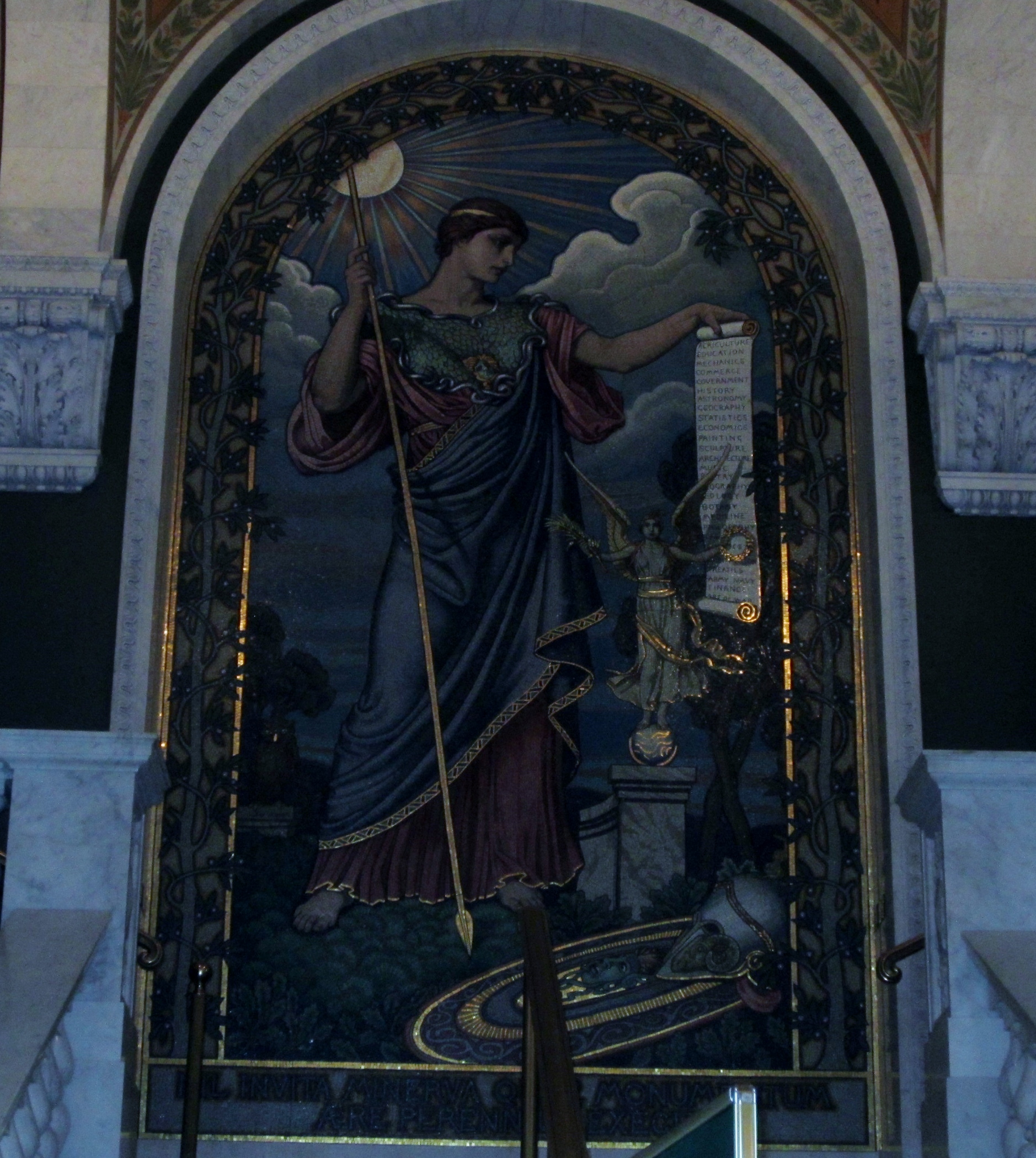
MinervaDCThat first morning in DC we were scheduled to tour the Library of Congress, previously arranged by our freshman Congressperson, Dr. Raul Ruiz. We set the alarm for 6:00 a.m so as not to be late. Since we did not yet have our bearings and certainly didn’t want to be tardy we hailed a cab outside our hotel and trusted that our driver knew exactly where to let us out. Only as we attempted to clear security (just like in an airport, belt removal and all) did we learn we were in the wrong building; our tour was to assemble in the foyer of the Thomas Jefferson Building (one of 3 Library of Congress buildings) across the street. We hightailed it there just in time to embark on an introduction to the world’s largest repository of knowledge and creativity encompassing more than 150 million items. A couple of hours later our guide bid us adieu after exposing us to countless treasures such as the Giant Bible of Mainz, the voluminous collection of Thomas Jefferson, an original Guttenberg Bible and the eye-popping glass, gold-leaf and marble mosaic of Minerva.

We then made our way by foot to the US Capitol Visitor Center where we found a cafeteria for a quick bite before we queued up for our pre-arranged tour (also courtesy of our Congressperson). Our incredibly engaging and knowledgeable guide introduced us to myriad treasures housed in the same building that hosts the U.S. Senate and House of Representatives as we made our way up and down staircases, navigated long hallways and stood in amazement in cavernous rooms that housed uncountable treasures, including the incredible ceiling fresco, The Apotheosis of George Washington, painstakingly created by an Italian artist at the height of 180 feet above the rotunda floor. Sensory overload was starting to take hold and we were only to mid-afternoon of our first full day.

Our legs were already starting to remind us of our membership in the Society of Baby Boomers as we toured the nearby National Gallery of Art encapsulated by 2 separate buildings that provides exposure to a bit of everything in this grand museum and sculpture garden. The West Building features more traditional art (the Old Masters and the newly renovated 19th-century French Galleries), while the East Building focuses on more modern and contemporary art (Calder, Dubuffet,Rodin, Dugas, etc.). In this same area along the National Mall the Museum of Natural History and the National Museum of American History are found along with the National Archives.

Since our legs were now startBryceDCing to wobble we grabbed a cab back to our hotel, fortified our clothing for the potential of a chilly evening outdoors, then left our hotel to find the nearest Metro Station where we purchased two $20 FareCards (arranging this online before your visit can save you $1 each trip; so we learned) – the $20 investment for each of our cards covered us for the rest of our visit. We then jumped on the Blue Line train to Navy Yard station, headed to Nationals Park to watch the Washington Nationals play baseball against the Cincinnati Reds from our previously purchased club level seats right behind home plate. The burgers and beer were good; the view of the Potomac River too from the expansive lounge area just behind our seating section. We were treated to a great game by baseball lovers’ standards (a 1-0 pitching duel including a triple by up and coming Nats star Bryce Harper that presaged the game’s lone run). We also lucked into a nice seat neighbor (a local) who gave us lots of pointers about different museums and the what, where, when and how to see things. He told us about a Washington Post Weekend section on Fridays that I discovered later can also be accessed online. This proved to be invaluable information for the rest of our trip highlighting current exhibits, operating hours and admission policies. After the game everyone headed for the center field exit that herded folks back to the Metro station. The first cars were far too crowded but minutes behind was a “special” train that accommodated us. After a few blocks hiking from the Metro station back to our hotel we collapsed in utter exhaustion.

The next morning allowed us to exercise our new found talent for riding the Metro and flashing our FareCards like Washingtonians. Off we went to Arlington National Cemetery to viBrainHairDC (1)ew the the Tomb of the Unknowns, the Changing of the Guard and the burial sites of President John F. Kennedy with its eternal flame, President William Howard Taft, Maj. Walter Reed and boxer Joe Louis among the other historic figures interred there. We also were able to locate the gravesite of my Uncle Neal, a captain in the US Navy, buried at Arlington National Cemetery along with his son. Interestingly, my uncle’s site is very near the monument that marks the grave of the father of baseball– Abner Doubleday. We walked up and down the hills that make up this massive plot of land donated to the US Government by General Robert E. Lee and then back to the Metro station where we rode back into the area of the National Mall. From LincolnCloseDCthere we visited Hirshhorn Museum and Sculpture Garden followed National Museum of the American Indian and the National Air and Space Museum – then we walked some more, to Union Station for a previously arranged Moonlight Monument Tour. Before embarking on the trolley based guided excursion we enjoyed drinks and an appetizer dinner at the bar inside Union Station. Our trolley boarded at 7. Over the next 3 hours we visited the US Capitol building (glows brilliantly at night), the Washington Memorial (currently closed for repairs), the Lincoln Memorial, the Korean War Memorial, the Martin Luther King Jr. Memorial, the Marine Corps Memorial sometimes called the Iwo Jima Monument with the sculptured image of soldiers raising the US Flag at Iwo Jima honoring all US Marines who died in service; then we drove by Jefferson Memorial on into Georgetown with views of the city lights from bridges and overpasses before making a pass by the White House. As we curled up under the blankets that night I don’t believe I could feel my feet at all.
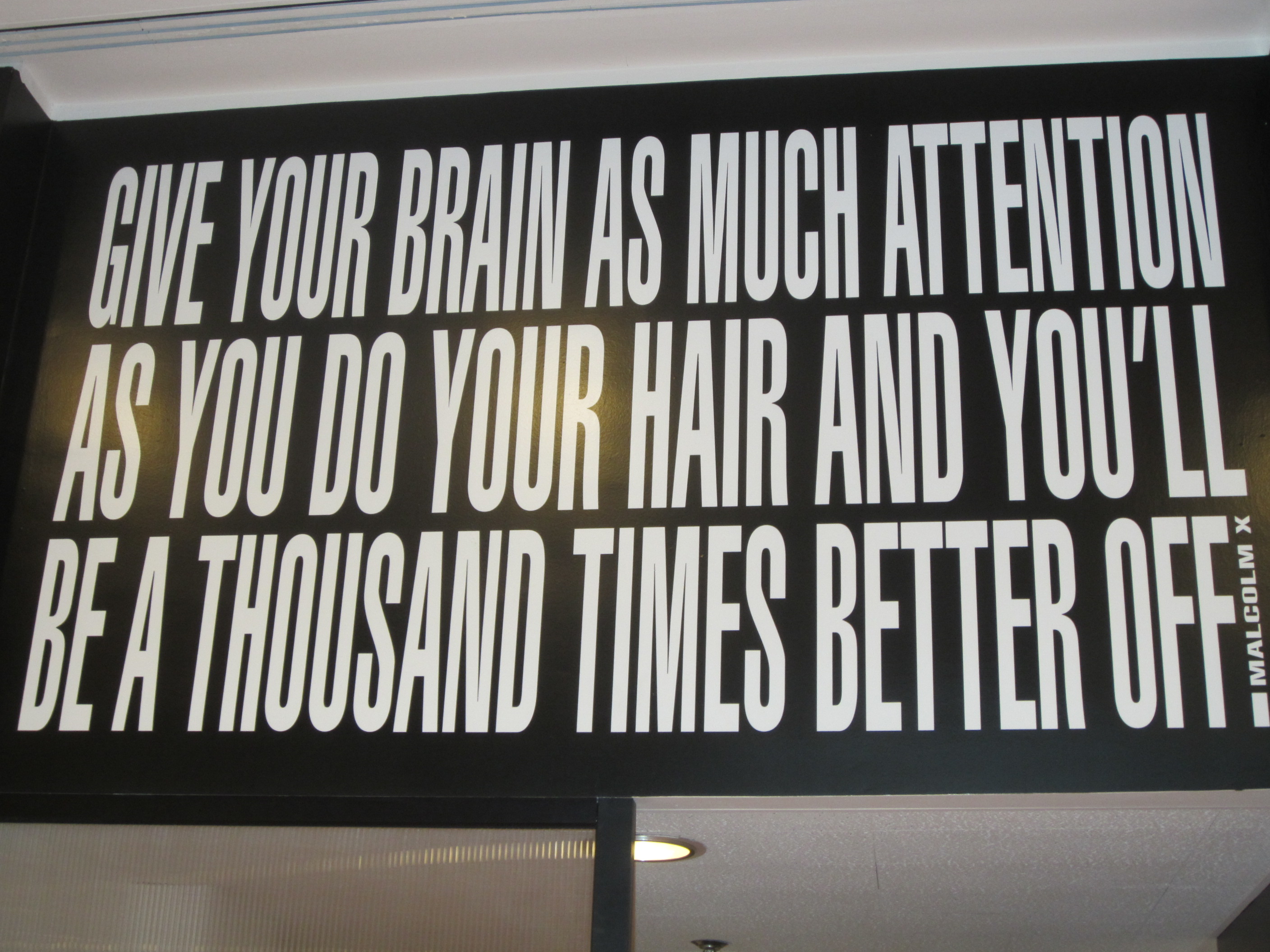

Protein bars and coffee in our room was all there was time for the next morning before we were off to queue up at the United States Holocaust Memorial Museum. We arrived online to score a ticket to the main exhibit at 10:45. Since the museum doesn’t open until 10 those arriving after us had ever later appointments to tour – thanks again to a tip from our seatmate at the National’s game. The museum honors the victims of one of mankind’s worst atrocities. Opened in 1993, it is one of the city’s most popular tourist destinations. We learned about the Holocaust through artifacts, testimonials and interactive exhibits that detail the lives of children who lived through it, the rise of the Nazi Party and the Nuremberg trials. After the Holocaust Museum we somberly headed off in a light drizzle past the Reflecting Pool that fronts the Lincoln Memorial brimming with baby geese and ducks toward the Vietnam Veterans Memorial where the name of every serviceperson that died as a direct result of their tour of duty in Vietnam is inscribed; all 58,178 (plus 93 added since the wall was erected) of them. While certainly a national tragedy and a worthy memorial to those brave service personnel the ghastly thought of 58,000+ deaths somehow pales in comparison to the loss of life during the Holocaust that is thought to be more than 11 Million Jews, Romas, Russians, Disabled people, Homosexuals and other unfortunate individuals, including Millions of children, killed only because of their heritage, personal challenges or orientation.

After spendBluMoonDCing time at the Vietnam Vets Memorial and visiting the nearby National World War II Memorial we walked to the White House (our escorted tour was cancelled due to the Sequester) in the rain past a number of other significant buildings. We viewed the North and South entrances of the home of the US President in a steady drizzle and then found ourselves at the bar of the Old Ebbitt Grill (since 1856) nursing a couple of cold beers while watching the world go by one umbrella at a time. It seemed like the right thing to do.

The next morning found us enjoying the breakfast buffet at the Westin City Center since my traveling companion refused to take another step as a tourist without some formidable nutrition having existed primarily on Clif Bars and room-made coffee to this point because I didn’t want to waste time in restaurants, apparently. In any event, our focus for that morning, the National Geographic Museum, didn’t open until 10:00 am so we enjoyed the waffles, omelets, yogurt and fruit that found temporary homes on our soon to be cleaned plates. We paid the $11 admission fee and were then treated to exhibits about Pirates and “the” Birds of Paradise which highlighted the work of two individuals who documented all 39 species of the exotic birds living in New Guinea and virtually nowhere else. Although well worth the $22 for our entry tickets this was the only venue for which there was any charge for entrance (save the baseball game). Our afternoon was spent touring nearby Georgetown with its quaint shops, beautiful parks and famous university. My dogs were barking as we ready ourselves for bed on that last night.


CBS’ 60 Minutes labasted the credit reporting industry on Sunday evening citing an FTC investigation that revealed that upwards of 20% of Americans had “errors” in their credit reports and that 10% had errors that were so serious as to have a dramatic effect on their credit scores.  Credit reports are engrained into the financial culture of our lives at a level where even the smallest errors could cause increases in the cost of many products ranging from life insurance to auto and home loans.  Because I am in the real estate lending industry I’ve seen thousands of credit reports as a necessary part of the loan process I am able to provide a testimonial that a lower credit score can have a dramatic impact on the cost of borrowing home mortgage money.  In fact, if you consider a hypothetical 30 year fixed rate loan for $300,000 and compare the interest rate that would be offered to a qualified borrower with a credit score in excess of 740 as compared to one provided to a borrower with a 639 credit score you will find that the borrower with the lower score would pay $137.66 more per month or an extra $50,000 over the 30 year life of the loan. Layering into that equation the reality that the low credit score borrower’s homeowner and auto insurance policies would command higher premiums its easy to understand why it’s vitally important to know, manage and protect that credit score.  For Boomers entering the phase of their financial lives where every dollar commands an increasing amount of respect, having control over the information in their credit reports takes on even greater importance.

There is a fundamental difference between a Credit Report and a Credit Score.  While consumers are allowed to obtain a free copy of their credit reports annually from all 3 of the primary repositories of credit information those complimentary reports do not include the “predictive” score that lenders and underwriters use in their pricing calculations.  When a consumer logs on to the website, www.annualcreditreport.com , the option is available to obtain at no cost the raw data that exists in the files that each of the credit bureaus maintains for every potential borrower.   However, if the consumer is motivated to find out just exactly what their “score” might be they are directed to the sites of the individual repositories where there are any number of options available for obtaining that score, all of which require the payment of an upfront fee and often times the hard sell to subscribe to a recommended service.  The only other option for knowing a credit score is to request that information from a lender or insurance company that may have recently obtained a credit report on a customer’s behalf.  The exact formula for determining an individual’s score is a closely guarded secret in the industry and one that is changeable based on the performance of the entire database but certain general rules separating good from bad credit scores are typically well-known such as making sure all payments are made on time, the level of outstanding balances on revolving credit accounts is low relative to the available credit amount and there is an absence of foreclosure or bankruptcy activity.

It is important to understand that the repositories of this data, TransUnion (TU), Experian (XPN) and EquiFax (EFX) are best thought of like one would a library. If a reader checks a book out of the library and they are unhappy with the content of that book they are bound to be disappointed if their expectation is that the librarian will have an impact on influencing the author of said book to change the content.   At best, the librarian could contact the author and lodge the complaint on behalf of the reader but changes in the content must come from the author directly in future editions.  In much the same way, consumers that discover erroneous information in their credit reports are best served by making their complaint directly to the provider of that wrong information and then obtaining written evidence that the report is, in fact, erroneous.  While the methodology exists for consumers to lodge their complaints with the credit bureaus reporting said errors, the credit reporting agencies responsibility begins and ends with their attempt to “investigate” said error on behalf of the consumer.  Most often, that involves an electronic message to the creditor indicating that the consumer doesn’t agree with the way the information is reported in their file, followed by the electronic response from the reporter as to their opinion about the validity of that information.  It is NOT the role of the credit bureau to ajudicate a dispute between a creditor and borrower.  On the other hand, if a consumer is armed with written evidence provided by the creditor that the report is in error, the credit bureau will most times immediately make the change to the consumer’s credit profile after validating the written proof.  While other types of errors occur, including those involving mistaken identity, far and away the disagreement about how an account is reported in an individual’s credit file causes most of the challenges for consumers.  There is a good amount of rhetoric floating around as a result of the FTC’s investigation into credit reporting practices that changes in those methods will occur.  However, it’s likely that years will transpire before meaningful modifications in the way those errors are investigated and reported will take place.  The intevening period could be quite expensive for those Boomers needing to borrow money or obtain insurance coverage.

As Boomers approach the promised land of their golden years its important that they know exactly what lenders, insurance underwriters and in many cases, prospective employers will see when they obtain a copy of their credit report.


IMG_1610I suppose I’m a little disappointed with how sore I am this morning.  While I was looking forward to it I knew riding my bike 25 miles in the Tour de Palm Springs that was held yesterday morning wasn’t going to be easy but I had ridden that far, once before.  I know, I know; plenty of people run that far – I think they call it a marathon – but given the level of my fitness a few months ago this was a worthy goal.  On my bucket list, plain as day, is the goal to Ride my Bike for 40 kilometers (I think it seems like more than 25 miles that way, and, besides, it’s so international sounding).  Smack dab in the middle of my 60th year and perhaps 10 or 30 pounds overweight (or should I say 4 or 13 kilograms?  Sounds like a lot less, doesn’t it?). And, this Boomer of dubious physical conditioning, I thought pointing toward a 25 mile bike ride on this particular date was a worthwhile pursuit.  And, it wasn’t just 25 miles mind you; I rode my bike to my friend’s home (Syd and Joan) easily 3 miles from mine where we loaded up the bikes on the back of his SUV and headed to a parking lot that was another 1.5 miles from the start/finish line and then back again to make a grand total of 31 miles on the rock hard seat. It was more than I had anticipated (or should I say 50 kilometers – now that’s a nice round number!).  I could tell you about my recent bout of bronchitis too but then I could be accused of piling on.

The Tour de Palm Springs is an annual gathering of more than 10,000 cycling enthusiasts using every type of wheeled, self-propelled vehicle available today that participants can choose to ride along various routes ranging from 1 to 100 miles in and around the city of Palm Springs for the primary purpose of raising money for a number of charities and a getting a new T-shirt.  It’s anything but a race; in fact the organizers go way out of their way to deemphasize any competitive aspect of the ride although I heard the Public Address announcer more than once use the term “Race” only to quickly correct himself.  Event is the preferred term.  Upwards of $300,000 finds its way into the coffers of various local and national charities with the choice of designee up to the rider (I earmarked my portion of the $40 entry fee to the American Cancer Society – go figure?).

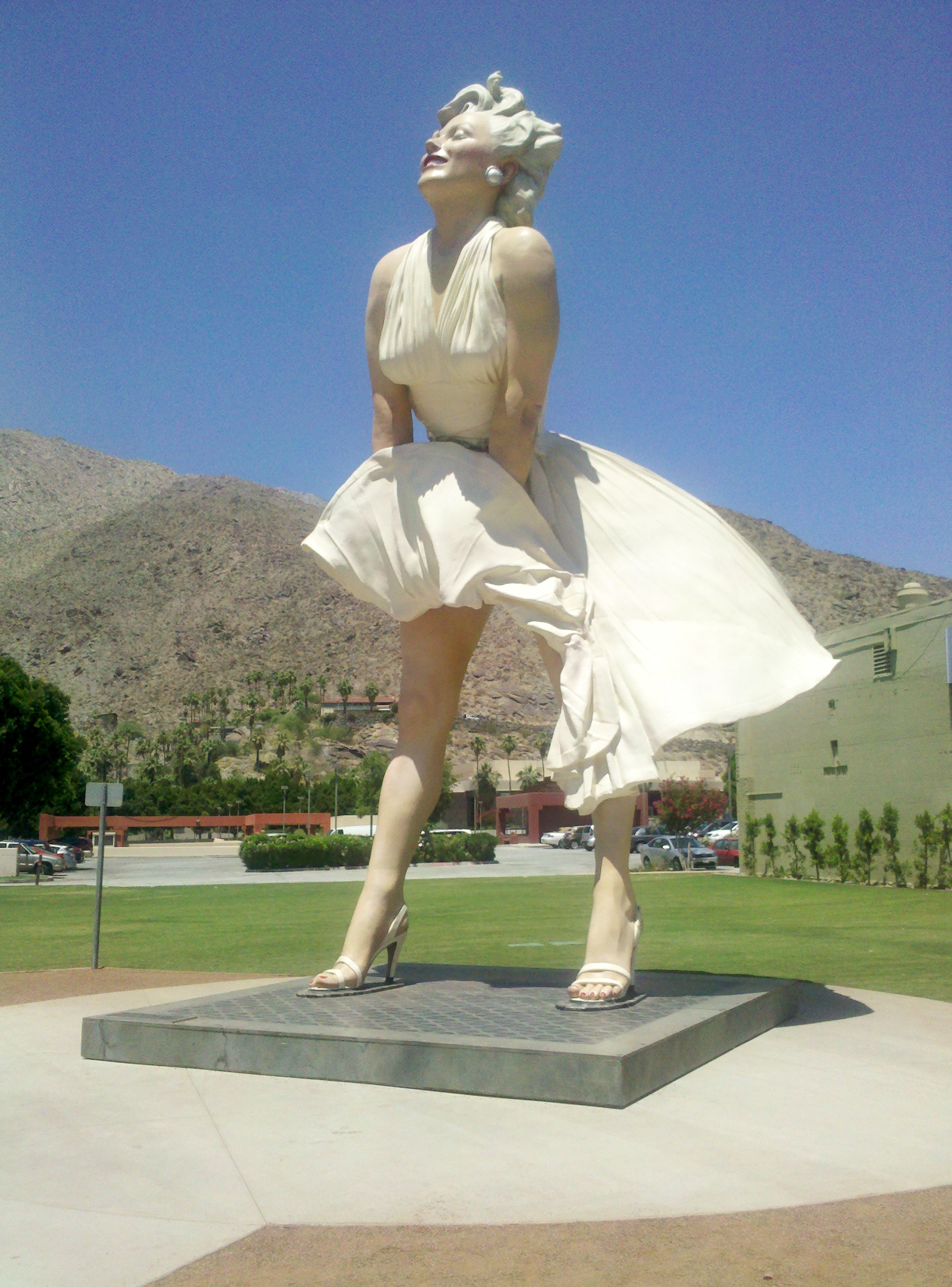
The day before the Event my wife and I decided to have lunch downtown within walking distance of theIMG_20120604_115132 Registration Booth right under the massive statue of Marilyn Monroe at the epicenter of Palm Springs on the corner of Tahquitz Canyon Way and Palm Canyon Drive.   I figured we would mosey on over to the pick up my wrist band after lunch and check out the vendor expo that was part of the celebration.  I had told Syd and Joan I would pick up theirs as well to save them from the exercise.  What I hadn’t counted on when I signed up for the Tour was dodging rain drops in the middle of California’s desert in February.  While it can happen, it rarely does.  But here we were with mid-day temps in the high 40’s and the wind chill deducting at least another 5 degrees and the sky spitting on us. I started questioning my sanity about entering this Event until I was handed a few free samples of various Clif products which went a long way toward smoothing over my angst.  It’s hard to beat free.

Figuring I needed to do a little “carbo-loading” the evening before my wife and I decided on pizza for dinner to the tune of the raindrops plinking on the window with the wind howling through the trees for accompaniment.  Then it was off to bed for a good night’s sleep in anticipation of the next day’s fun.  I awoke at 3:18 a.m. to the sound of a fierce wind whistling through the 10 foot setback between our home and the one next door cursing my luck of signing up for a monumental outdoor pursuit on the same day a hurricane was going to strike our normally calm and warm desert.  Further attempts at sleep were impossible so I hauled my soon to be sore butt out of bed and busied myself until it was time to make the appointed arrival at Syd and Joan’s by 8:30.

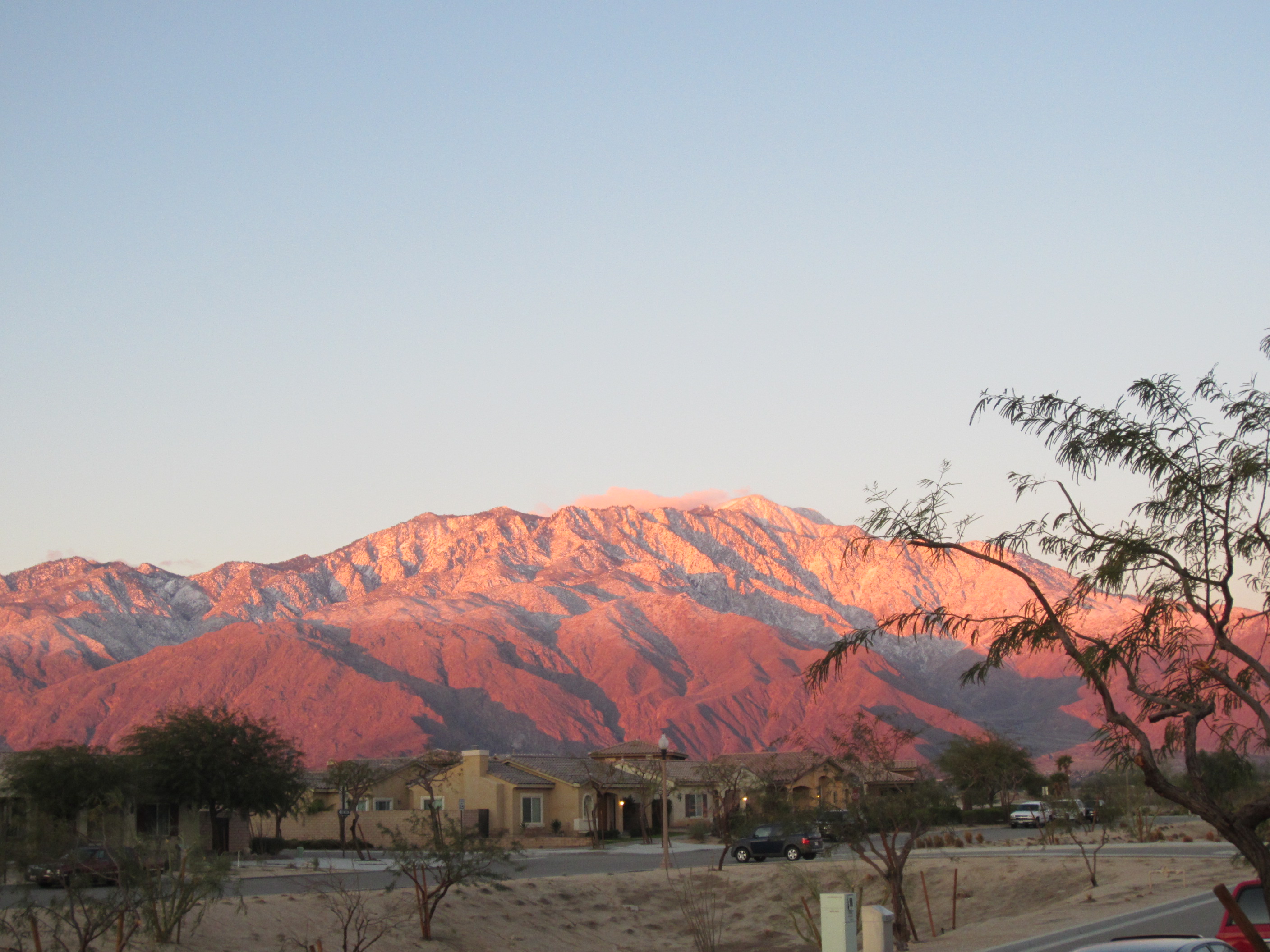
Mother Nature can be quite the vixen.  By the time I buckled the chinstrap of my helmet the clouds had cleared and what awaited us was an incredibly bright sky with new fallen snow twinkling like diamonds off Mt. San Jacinto in IMG_1619the distance and only the slightest zephyr.  While the temperature was on the brisk side I figured that was far preferential to having a warmer than normal day – at least for us cyclists.  Upon arrival at the staging area Syd, Joan and I saddled up our hybrid bikes with more than 10,000 other event participants and migrated by foot toward the starting line to the music of the local high school band all the while inching closer to a point where we could actually ride.  20 minutes after the scheduled start of our Event we were finally balancing on our wider than normal seats and peddling north on Indian Canyon in full exhilaration. Joan bid us adieu as she didn’t want to be perceived as a “slow poke” and we agreed to wait for her at the finish.  Syd had provided a few warnings to me earlier, since he has a storied biking history that has included cross-country rides (not “cross country” like a high school track team but “cross country” as in all the states between California and Florida).  Perhaps the best advice he gave me was to understand that bikes don’t have brake lights and that it was possible that riders in front of me would stop for any number of reasons, traffic lights being chief among them, and it was important for my well-being to pay attention.  While it might make for a better story if there was some mishap, nothing of the sort occurred during our ride; I think primarily because the type of bikes we were riding allow for regular athletic shoes and didn’t require binding of our feet to the pedals in a way that only resembles ski bindings.

As the herd plowed its way through the streets of Palm Springs and other nearby cities, past emerald IMG_1649colored country club golf courses and tennis resorts, obstructing traffic all the way, we found comfortable gaps in which to exist so as not to be hassled by the other riders; that is until we were periodically forced to stop en-masse at a number of controlled intersections in order to allow the motor vehicles to pass.  A certain amount of physical coordination was required at these infrequent stops so as to stay upright but I can proudly say that both of my knees are in pristine condition today – at least on the surface.  We were peddling along so well that we decided to bypass the first SAG stop at the Desert Princess Resort, some 6 miles out from the starting line (SAG stands for Support And Gear, but mostly snacks).  We agreed we would avail ourselves of the next (and final) SAG stop at Cathedral City High School, another 12 miles out since we were skipping this first one.  While speed was never a requirement or recommendation I was self-impressed when Syd announced (he had an odometer on his bike) we hit 21 miles-per-hour on the downhill portion of Ramon Road near the Agua Caliente Casino, that is until he told me he once averaged 21 MPH for an entire ride of something like 50 or 500 miles.  The details were lost in the grim dose of reality that was clouding my brain.  We were going along really well, even on the uphill climb on Bob Hope Drive from Ramon Road to Gerald Ford until I started to feel my quadriceps in a way that reminded me of two-a-day football practices in which I participated the last time in 1970.   I did my best to suck it up and started to anxiously anticipate the looming SAG stop at Cathedral City High School now probably only a couple of miles away.

As I started to recognize the terrain that would lead us to the school parking lot the cruelest of ironies presented itself.  Syd had the audacity to mention that a “pretty good hill” was right in front of us on DuVall Road and of course my inability to stop thinking about Pink Elephants manifested itself in the use of at least 21 of the 24 gears available with various configurations of the derailleur on my bike to help complete this leg of the ride without any embarrassing delays just before we pulled into the school parking lot.  As I parked my bike with wobbly thighs helping to engage the kick stand we made our way toward tables lined with teenagers thrusting various 3 ounce Dixie Cups into the hands of those before us.  Contained in these cups, no-doubt, was some high-tech energy supplement that looked and IMG_1666tasted suspiciously like Peanut M&Ms.  Directly adjacent were large jugs of colored liquids that are normally used for dumping on victorious football coaches and another table of sample sized portions of Clif Bars and something called “Gel Shots” that I was suspicious might contain alcohol but learned later were really 100 calories of liquefied sugar.  We loaded up our pockets, gulped the high-tech energy supplements and colored liquids as we listened to live Jazz Music along with a couple hundred of our fellow Event participants.  The musical entertainment made me long for a beer or a glass of wine which if that could have been part of the respite would have required the dispatching of a taxi to get me back to the finish line. After no more than 5 or 6 minutes of “rest” we remounted our bikes and continued along our path to the finish line that was now about 6 miles in the distance, somewhat refreshed.

Not more than a few minutes lIMG_1676 (2)ater as we were making a swinging right-hand turn I thought I recognized a rider a few bikes in front of us.  As I kicked my mechanical stead into a higher gear and caught up to the familiar figure I immediately recognized that it was Joan whom we hadn’t seen since our goodbye at the starting line.  Wondering aloud how she could be in front of us when she was worried that we would be waiting on her I quickly learned that she had neither stopped at the first or second SAG depot; I quickly changed the subject as we rode briskly along toward the conclusion of our ride.

It was somewhat thrilling to approach the finish in downtown Palm Springs in the shadoIMG_1685 (3)w of that much larger than life statue of Marilyn along with the thousands of other riders, all of whom had their routes converge into the common finish line, whether 1 or 100 mile riders, complete with clocks marking time and T-shirts being thrust into the hands of the finishers.  With the glow of self-satisfaction at least internally illuminating my psyche we quickly made our way back to the parking lot and mounted our bikes on the SUV rack for the ride back home.

I’m headed for the Jacuzzi this afternoon.  I think next year I’ll do the 50 mile ride.

IMG_1608


My stated intent with this blog is to help my fellow Boomers navigate through the morass of issues that are facing those of us born between 1946 and 1964 as we age together.  I think I know what those major issues are; at least I know which ones keep me awake at night.  In the interest of democracy and the realization that there are most probably many, many other issues facing Boomers that I have not yet encountered I tried a little experiment:  I GOOGLED “problems facing Boomers” and,  in 1/3 of a second I received 565,000 responses.  Five Hundred and Sixty Five Thousand!  It’s no wonder I have a hard time getting the recommended amount of sleep every night.

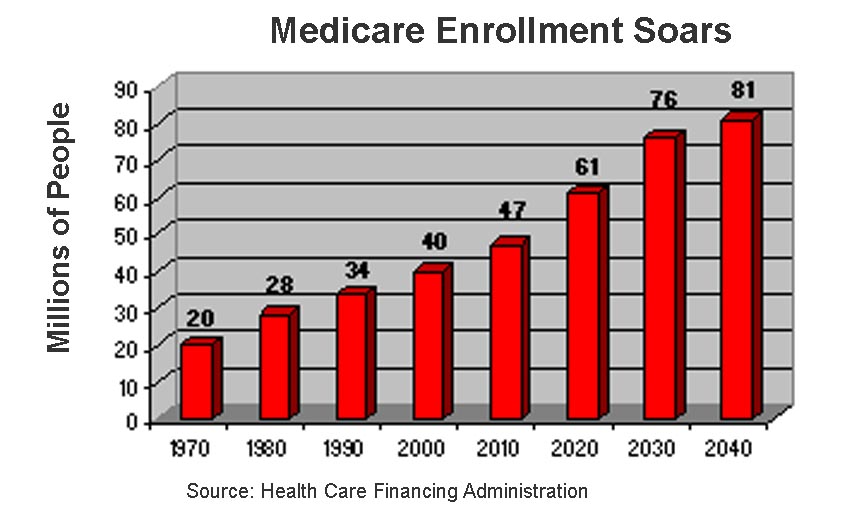
The first thing that jumped out at me was a FOX NEWS report from last year that simply stated “If MEDICAREENROLLrates of disease and disability continue at their current levels, America will become a nation of sick, senile, disenfranchised, impoverished seniors, with too few resources to care for them and astronomical medical costs that will cripple our economy.”  Cheery thought, that, but it kind of sums up challenge.  I don’t know about you but I am not looking forward to living out my golden years as a depressed, sickly old man wearing tattered Dockers and an old flannel shirt waiting on the veranda of my government subsidized housing for one of my grandchildren to pick me up for an outing to the local park, hoping I can remember his or her name when they arrive.  So, I suppose Health and Healthcare that is affordable needs to be at the top of the list of every Baby Boomer’s worry lineup.

Then, it seems, all the concerns about Money and Inflation combined with anticipated Longevity for Boomer’s in general.  In simple terms, the Fear of Outliving Assets commands a high place on every Boomer’s list.  How to know when enough is enough, that’s the rub.  Assuming you think you have “enough” when its time to cut back and try to enjoy whatever is left of your days with our Federal Budget Deficit running in excess of $1 Trillion per year with no end in sight and accumulated debt at $16.5 Trillion and growing is frightening to say the least.  It seems we are being led to believe that allowing the Federal Government to keep minting money at breakneck speed is a good thing for our economy.  The believe that somehow we will spend our way out of our national fiscal problems flies in the face of all lessons economic I learned over the last 60 years.  The simple concept that was taught that when there is more and more currency in the system chasing a finite amount of goods and services the effect squirts out as inflation seems to have been lost in the current environment.  Thinking about a day when you might take that last distribution from an IRA account because your money ain’t worth what it used to be and it cost a lot more to live to that point than you ever thought possible and you are left with nothing but a meager monthly distribution from Social Security to support yourself and your spouse that is younger and much healthier than you – now that’s the stuff of which nightmares are made.

Another worrisome issue that jumped out at me, one I had not considered on my own because I have a committed and caring spouse, are the unique challenges facing Single Baby Boomers as they age.  I was somewhat taken aback to read that 1 in 3 of the almost 80 Million Boomers is either divorced or never-married or widowed and of that population of more than 25 Million Americans only 10% fall into the widowed category.  Among the commonalities of this growing segment is that they tend to be younger, female and non-white.  As a group, they become disabled at almost twice the rate of married couples and are less likely to have adequate health insurance.  The obvious concerns of who will care for them if they do become incapable on their own are exacerbated by the economic challenges of living alone.

Many Boomer’s are part of what is known as the “Sandwich Generation“; simultaneously having to care for family members that are both older and younger.  I think we all know Boomers that have been ensnared in that web with a living parent that needs a significant amount of care and children that have either never left the nest or have returned as victims of the challenging economy or other social problems.  The tax of the energy and resources on our contemporaries that are caught as the meat in the middle of this sandwich can be overwhelming.

Functional Decline is another concern of Boomers that I personally hadn’t spent much time thinking about, although I find it distressing that what I once thought of as my razor-sharp memory needs ever more reliance upon a digital calendar for prompts about the normal and necessary parts of day-to-day living.

Abuse, Neglect and Financial Exploitation have their own places up and down the roster of those things about which to be concerned.  I have a friend that is an attorney specializing in Elder Law.  Apparently, the need for this specialty is growing exponentially.

Death and Dying mixed up with cultural and religious beliefs creates its own menu of concerns for Boomers who want to have a say in how their own lives end.   How and when to make their wishes known to family members and the worries about whether those wishes will be honored are among the details that must be reconciled.

Where To Live is another challenge facing Boomers.  Layering the desires to be close to (or not) other family members, health care facilities, recreational opportunities, entertainment, shopping and religious facilities with the need or willingness to move from an existing home creates another set of insecurities.

My goal over the coming period of time is to explore these issues in-depth and other concerns that are brought to my attention with a focus on how best to attack each of the challenges as we age together.  If there is something keeping you awake at night that you would like to have me address please let me know.


stock-illustration-5624775-barber-shop-toolsMy father passed away last year in October.  As a child of the 1950’s and 1960’s with 6 siblings you can imagine the stories and reminiscing that went on during the week’s worth of activities that brought us all together to celebrate our Dad’s life.  Growing up in Long Beach, California it never seemed we lacked for the necessities but luxuries, like haircuts in a barbershop, were rare with the financial demands that a family of 9 creates.

My Dad would assemble me and my 2 brothers in the garage every other Saturday with his electric clippers to administer the type of haircut one gets when they lose a bet or agrees to have their locks shorn in the name of charity.  The one point of differentiation between the 3 haircuts was that Dad always left my younger brother Bobby with an inch long strip of fringe covering the very top of his forehead as what can only be described as bangs.  At the time, I thought it was to help my mother identify him among the 7 of us kids but looking back on it I believe Dad thought that would make him tougher.  Given the level of abuse Bobby took from the rest of the pre-teens in our neighborhood over his “do” I believe my father was on to something.

If we wanted a different haircut, well, we needed to learn how to finance it.  When I was old enough to understand that the other half of the population that was not of my same sex (and not one of my 4 sisters) were worthy of my attention I reckoned it was worth $4 of my paper route money each fortnight  to allow the barber next to the Rexall drugstore to perform his artistry on my burgeoning locks. Another buck or so for Palmolive Hair Cream or ButchWax gave me the confidence I needed to be able to stand against the brick wall lining our high school gymnasium to watch the girls from our educational establishment dance together on Friday nights after the football games.

One marriage later, I purchased a “blow dryer” which allowed me to shape my rather substantial head of hair into various styles as I aged, each of which required a minimum of a half can of hairspray to hold in place.  By my 30’s I think I was spending upwards of $35 for my haircuts which were no longer provided by a barber but now a “stylist”.  I got pretty good at the home styling part until I started to notice that the amount of hair I was attempting to tease seemed to be progressively less and less and increasing amounts remained in my brush after the daily grooming routine was finished.  Once I eliminated the possibility that using too hot of a setting on my blow dryer was causing the reduction in volume I started reconfiguring the remaining product of my follicles in the most efficient way possible but never to the level of Donald Trump.  It worked well for years.

In 1998 I underwent a course of chemotherapy for Lymphoma and the predicted hair loss was acute.  By the end of the 2nd of 6 administrations of the “CHOP” regimen I did not have a hair anywhere.  Sympathetic friends and healthcare providers cheerfully reminded me that post-chemo hair comes back darker, thicker and even in the case of my string straight hair there was a chance it would have some curl.  Truthfully, I secretly loved the freedom of not having to deal with hair during the chemo intake period, especially since I was spending considerable time with my head firmly planted in the toilet bowl.  Nonetheless, once I completed the 6 month curative process I was eager to see just how dark, thick and curly my new mop would be.

What a load of bullcrap that turned out to be!  The regrowth post-chemotherapy stopped at the level of a quintessential Franciscan Monk’s hairline.  The dream of a screen test identifying me as the next leading man in a Hollywood Blockbuster was replaced by the reality that the only part for which I could ever be cast would be riding a burro with rosary beads draped around my neck trailing after Antonio Banderas in some godforsaken Mexican desert.

The really lousy part of it all, though, is that in spite of my inability to generate hair growth on the top of my head where it belongs, biology apparently dictates that the hair needs to get out somewhere.  I recall a few years ago my granddaughter, Sydney, then 5 or 6 years of age sitting on my lap when I recognized the look of fear and utter disgust in her eyes.  Papa, what’s wrong with your ears???”  She shrieked loud enough for Elvis to hear, wherever he is,  “OOOHHHH, its HAIR!!!” she warned anyone within earshot.  Once the crimson color left my face I deposited her on the floor and headed to the bathroom014 to see just exactly what frightened her so much.  Donning my reading glasses and with as much light as I could artificially create I looked at my ears in my wife’s magnified make up mirror.  What I saw would have brought weaker men to their knees.  Apparently my post-chemo hair recovery had consolidated itself in the edges and crevices of my ears in multicolored sprouts that had the consistency of 10 gauge electrical wire and grew in no discernible pattern.  I knew I needed to take action if for no other reason than to save my other grandchildren from the psychological trauma I had already caused my eldest.

I immediately turned to the Internet:  I found recommended methods for trimming the unwanted hair; ways to melt it away, wax it off and chemically remove it.  I learned that hair inside the ear canal actually has a useful purpose and must be dealt with more sensitively than the hirsute manifestation everywhere else on the half circles that stick out from the sides of my head.  I learned that electrolysis has a spotty record with stubborn ear hair and, by the way can, only be used on the outer ear in any event.  Never had I imagined that my problem seemed to be shared by nearly every man (and more than a few women) over the age of 39.  I felt only a little less embarrassed.

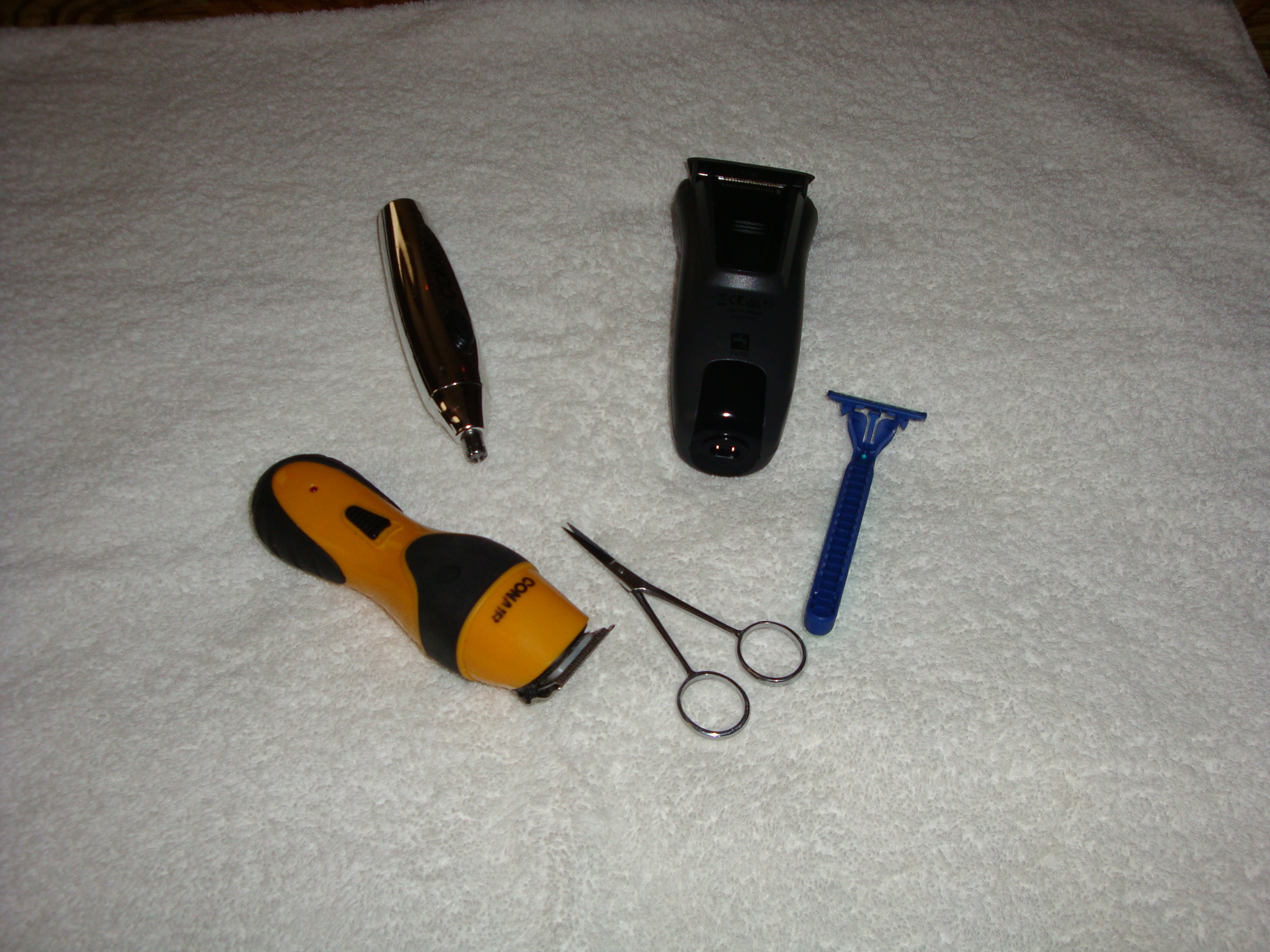
My visits to the barber shop these days to see Mike the Barber for my $15 Reverse fade with a 1 1/2, Zero on top are spent mostly with my barber using various implements to eradicate as much of the unruly hair growth that has since evolved from my ears to include an invasion of my eyebrows where 4 to 5 inch silver sprouts spring up literally overnight.  I find he does a far better job at controlling the affliction than I with my wife’s makeup mirror and the collection of implements I’ve acquired over the years.  Between visits, I do my best to control the ever present offenders with regular assists from Google …..


Under the auspices of the Consumer Financial Protection Bureau (CFPB), which sprung from the Dodd-Frank financial reforms, the US Treasury is readying its rules for what is referred to as a Qualified Residential Mortgage (QRM). While the rules are not yet final the advance information indicates there are at least a few things that are of particular interest to anyone hoping to purchase a home with a new loan or refinance an existing one. Boomers in particular will likely be impacted by a number of the proposed restrictions having to do with debt ratios, acceptable methods of documenting income and downpayment/equity. The changes have the potential to put the recovering housing market right back on its ear if they are all enacted as proposed as a large number of potential home buyers will no longer be able to qualify at the level they can today. While the new rules will not fully go into effect until January, 2014 you can bet that lenders will begin to layer the changes into their requirements as soon as they are convinced of the final regulations.

Because almost every loan (save for those made by “private” lenders) will need to conform to the new guidelines, the argument can be made that once again, the rules will serve to protect lenders from themselves while negatively impacting access to home mortgages. Consider that the proposal suggests that no loan can be considered where the overall debt ratio of the borrower exceeds 43% of their calculated gross monthly income – regardless of equity or liquid assets. While the argument can be made that 43% might be an appropriate number for most families, consider that conventional loans are currently approvable with debt ratios as high as 50% and we have seen recent FHA approvals as high as 57% if the loans are approved through a rules based, automated underwriting system. The impact in high-cost housing areas will be staggering when you consider that a 14% reduction in the maximum debt ratio effectively eliminates over 25% of the pool of eligible borrowers that heretofore would have qualified for the financing to purchase a particular home.

Consider, also, that many retired folks live off a combination of social security, income from retirement accounts and savings. To the extent that a borrower uses savings that are in non-retirement accounts to supplement social security, the withdrawal of those funds is not considered income and thus, cannot be considered in calculating the 43% maximum debt ratio under the CFPB rules as currently enacted. From the perspective of a borrower that is interested in mitigating tax liability and is able to draw upon non-taxable savings in deference to taxable withdrawals from IRA or 401K accounts the consequences can be staggering. We have already seen this manifest itself with borrowers that were fully able to purchase their retirement home and qualify for their loan of choice before the previous changes that came to the market in 2010 regarding the prescribed method for income documentation. Now, many of those existing homeowners can no longer qualify to refinance their current mortgages because the use of non-taxable savings for daily living expenses is no longer considered when calculating debt ratios and incomes (regardless of the balances in those accounts or the fact that they have been making the payments previously as agreed) – only funds withdrawn from taxable accounts can be counted. Layering into that reality those newly recommended debt ratios are set to be crunched down to a level that requires more and more income to qualify which can only mean higher and higher tax bills for the borrowers as they rearrange their finances to make themselves more credit-worthy in the eyes of the CFPB. The only alternative is to live with their current financing, which many times is at nearly twice the current interest rates or retire the debt with liquid assets, if available, which very well may trigger a whole new set of tax consequences.

I’ll do my best to try to keep you informed as the rules wind their way through the various governmental agencies. If you own a home and it’s not “free and clear” this is important stuff to understand.


Beethoven’s Moonlight Sonata is playing on the “Light Classical” channel on Time Warner Cable’s Music Choice.  The song is so beautiful it’s distracting me from the task at hand which is to get this damn blog under way.  I secured the URL a couple of years ago and put it in the inventory – it’s taken  me that long to figure out what I want to write about.

The truth is, I’ve known what I want to write about but I’ve let too many opinions cloud my thinking:  “Limit the blog to 1 or 2 subjects“: “Make sure you have something to market – and sell, sell, sell!”; “Find out what folks are interested in and then tailor your articles to those interests”. Blah, Blah, Blah.

Bottom Line:  Today’s an anniversary of sorts.  Two years ago this very morning I had my neck and tongue fileted by Dr. Paul Kim at Loma Linda University Hospital.  1/3 of my tongue and 30+ lymph nodes from my neck and shoulder went missing; all in the name of curing tongue cancer.  Dr. Kim is obviously so good at what he does that I sit here today able to eat (too well) and speak as if nothing ever happened in spite of the pre-warnings from well-meaning friends, acquaintances and health care professionals about what might very well have been.  Save for an 8 inch scar that traverses my neck like a badly drawn trail map that I like to call my “tattoo”, tasting or chewing anything on the right side of my mouth, whiCSL12411 (2)stling or sticking out my tongue, everything is back to normal; whatever that is.

Turning 60 this year gives me an absolute right to the name of this blog.  And, since I apparently haven’t totally thought this thing through in the past couple of years while continually mulling it over in my mind it may turn out that other Boomers will have an opportunity to write about their experiences here – I haven’t decided, yet.  If you have an idea that you’d like to share let me know and I’ll give it some appropriate consideration.  That’s the beauty of it:  For a few bucks a year this is all mine and I can do whatever I want.

So, what will I write about?

I know way too much about cancer; something I never wanted to study, believe me.   In 1998 at the tender age of 45 I was diagnosed with lymphoma after 6 months of not understanding why I felt like dog poop and had continually tried in vain to cough up my lungs.  My son, Geoffrey, died in 2010 at the age of 26 from the very same disease – absolutely devastating.  No other genetic link in our family that we can find.  Two of my best friends succumbed to the big “c” last year.  Other non-blood relatives and friends are currently fighting the fight.  I’m a Team Captain and Event co-chair for the American Cancer Society’s Relay For Life because it was the only way I could figure out how to fight back.  Layer all of that together and you’ll come to understand why I will write about cancer.  It has or will affect all of us in some profound way. There is no escape.  It’s important stuff to know about and try to understand.  It was a blog about the death of my son that unleashed the writing beast in me.

A paying writing “gig” tells me at least somebody likes reading the things I write.  I’ll bring some of that to these pages.  TripBucket is a website that is dedicated to helping its registered users complete their bucket lists.  They hired me to provide content because I can occasionally write a complete sentence, I suppose.  TripBucket also motivated me to start designing my own bucket list which is now bigger than I can possibly complete even if I live to be 100.  Not likely, given my history.  You’ll gain some exposure to TripBucket here as well.  The next item awaiting check-off on my list is a 40 kilometer (sounds more impressive than 25 miles, doesn’t it?) bike ride that I hope to complete in the next few weeks within the Tour de Palm Springs.  I’ll tell you how that goes.

I am a licensed Real Estate Broker and Mortgage Broker in the State of California.  I’ve held a broker’s license since 1986; a salesperson’s license before that.  I own a real estate business (with a partner) and I suspect you’ll read a fair bit about the state of real estate and business in general if you decide to follow this blog.

We have a really big family:  GIMG_0800randchild #6 is on the way before June 1.  6 children between my wife and me that have made everything from Public Safety (courtesy of the LAPD) to the art world their vocation.  6 brothers and sisters, lots of in-laws, myriad nieces and nephews, 2 ex-wives, my mom in the Texas Hill Country and my incredibly supportive wife of nearly 18 years – all of whom provide fodder for life’s lessons.

I like to cook.  I once took a class at the Santa Fe School of Cooking, ate the product and lived to tell.  I figure that gives me all the permission I need to share recipes and methodology for some pretty great meals.  I typically forsake the kitchen for the barbecue – I hate calling it the “grill” because it can do so much more.  And, I don’t particularly like to measure but I’ll do my best in communicating the formulas. I think men, in general, struggle for a creative outlet and cooking can so easily fulfill that need.

So here’s the deal.  I’ll write about what I want.  You let me know when you think I’m full of crap or you agree with what I’ve said and if there is something you want me to investigate and report back I will do my best, as long as the subject is interesting to me, too.

Did you know that Beethoven wrote the Moonlight Sonata for his student, an Austrian Countess with whom he was desperately infatuated?  Two years passed before he was able to come to grips with his inability to marry the love of his life due to his station in society and move on.  Hardly anyone knows her name.

TripBucket

We inspire our members to pursue their unique adventures and the accomplishment of their dreams.

St. Louis CEOs Against Cancer

Stories of local interest for the St. Louis CEOs Against Cancer

Seize every opportunity

Do you dream of travelling the world? Do you want to climb a mountain or go hang gliding over rio de janeiro? Make your dreams come true like I am

STORYTELLER

Photographer, Designer, Editor and Educator Ray Laskowitz talks about pictures and their back stories.

Blog By Boomer

One Boomer's Perspective on Living

WordPress.com News

The latest news on WordPress.com and the WordPress community.